


What to Consider During Fasting Tours?
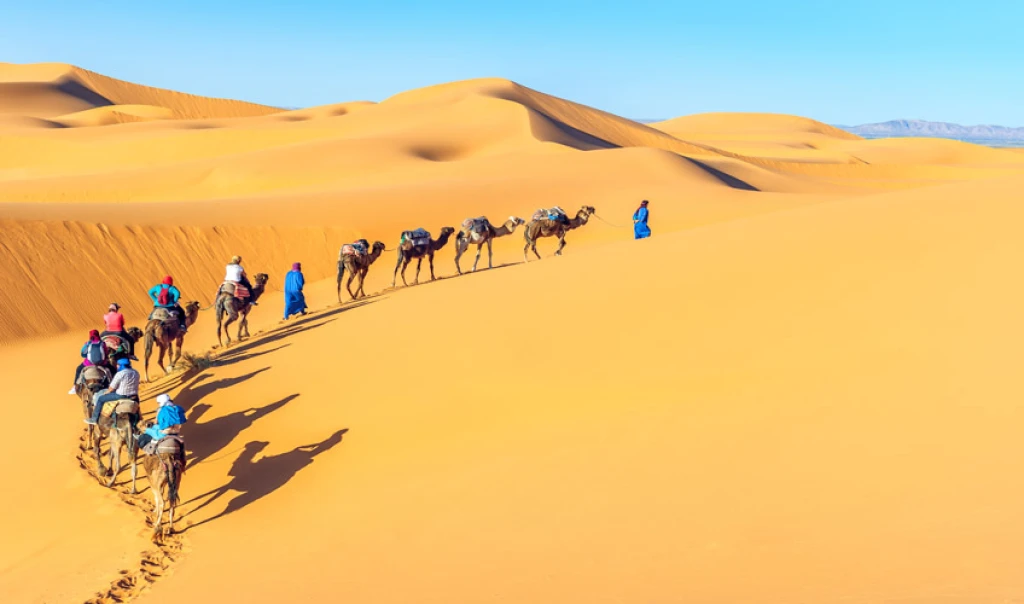
When planning a trip to Morocco, key points to consider for a safe and enjoyable journey include: **1. Visa, passport, and official procedures** - Ensure your passport is valid for at least 6 months beyond your return date. - Always check the current visa status (visa-free/visa) for Turkish citizens before traveling. - Obtain travel insurance; make sure it includes health and baggage loss coverage. **2. Health and hygiene** - Always drink bottled water instead of tap water. - Street food can be tempting, but avoid very old-looking stands with poor hygiene. - The sun can be very strong: definitely bring sunscreen, a hat, and sunglasses. - Pay attention to hydration and electrolyte intake, especially in summer. **3. Safety and scams** - Tourist areas are generally safe, but: - If possible, leave valuable items (passport, large amounts of cash, expensive jewelry) in the hotel safe. - Be cautious of pickpockets in crowded areas (medinas). - Be careful of anyone approaching you saying "I am your official guide, let me show you around" and those who insist on guiding you for money. - Always ask for permission before taking photos, especially of people and shop owners, as they may request payment. - Avoid walking alone in dark and quiet streets late at night. **4. Money, payments, and bargaining** - The currency used is dirham (MAD); it's essential to carry some cash, as cards may not be accepted everywhere. - When withdrawing money from ATMs, choose those adjacent to banks if possible. - Bargaining is a culture in markets (souk); you can often cut the initial quoted price by half or more. - Always agree on a fare before getting into a taxi or ask for the meter. **5. Cultural sensitivity and dress** - Morocco is a Muslim country; while tourist areas are more liberal, it’s still advisable to: - Avoid very revealing clothing, especially in smaller towns and villages. - Wear clothes that cover your shoulders and knees when entering religious sites like mosques and shrines. - If your visit coincides with Ramadan: - It is considered respectful to avoid eating/drinking in public during the day. - Be careful not to take pictures of people without their consent, especially in traditional dress or devout individuals, as they may not appreciate it. **6. Transportation and getting around** - Use “petit taxi” for short distances and “grand taxi” for intercity travel. - In taxis, always use the meter or negotiate a price beforehand: - Look up an appropriate price for those who do not turn on the meter. - Travel between cities by train and bus is generally safe and affordable; ONCF (train) and CTM/Supratours (bus) are recommended. **7. Accommodation choices** - Staying in riads within the medinas in cities like Marrakech and Fes is very enjoyable: - When booking, read reviews carefully and pay attention to safety, cleanliness, and location ratings. - If arriving late at night, arranging airport transfer with your hotel is safe and practical. **8. Weather and climate** - In the summer (especially in inland areas and desert tours), daytime can be extremely hot: - Wear light, breathable, light-colored fabrics; bring a hat/scarf. - Desert tours can be very chilly at night; make sure to bring warm clothing. - Check the possibility of rain based on the season and plan appropriate footwear and clothing. **9. Desert and nature tours** - If you are going to book a desert camp/berber camp: - Research the tour company's reviews and safety measures. - When traveling to remote areas, bring a phone charger, power bank, basic medications, and extra water. - When riding camels: - Follow the instructions of the staff for your safety, and avoid sudden movements. **10. Communication and language** - French and Arabic are widely spoken; English is generally understood in tourist areas. - Learning a few basic French/Arabic phrases (hello, thank you, bargaining sentences) can be helpful and endearing. - Getting a SIM card or eSIM for internet access is very convenient for maps and translation. **11. Food and drinks** - Try local dishes like tajin, couscous, and pastilla, but: - In the first few days, avoid heavy/oily food to not overwhelm your stomach. - Mint tea is frequently served; the sugar content can be high, so you can request less sugar from the start (“sukkar qalil” / “a little sugar”). **12. Tips and small payments** - Small tips are expected for restaurant, café, hotel staff, and guides (around 5-10% of the bill). - It’s a good idea to have small change ready for porters and room attendants. If you want, I can provide specific suggestions for the cities you plan to visit (Marrakech, Fes, Casablanca, Chefchaouen, the Sahara Desert, etc.) in the next step.